
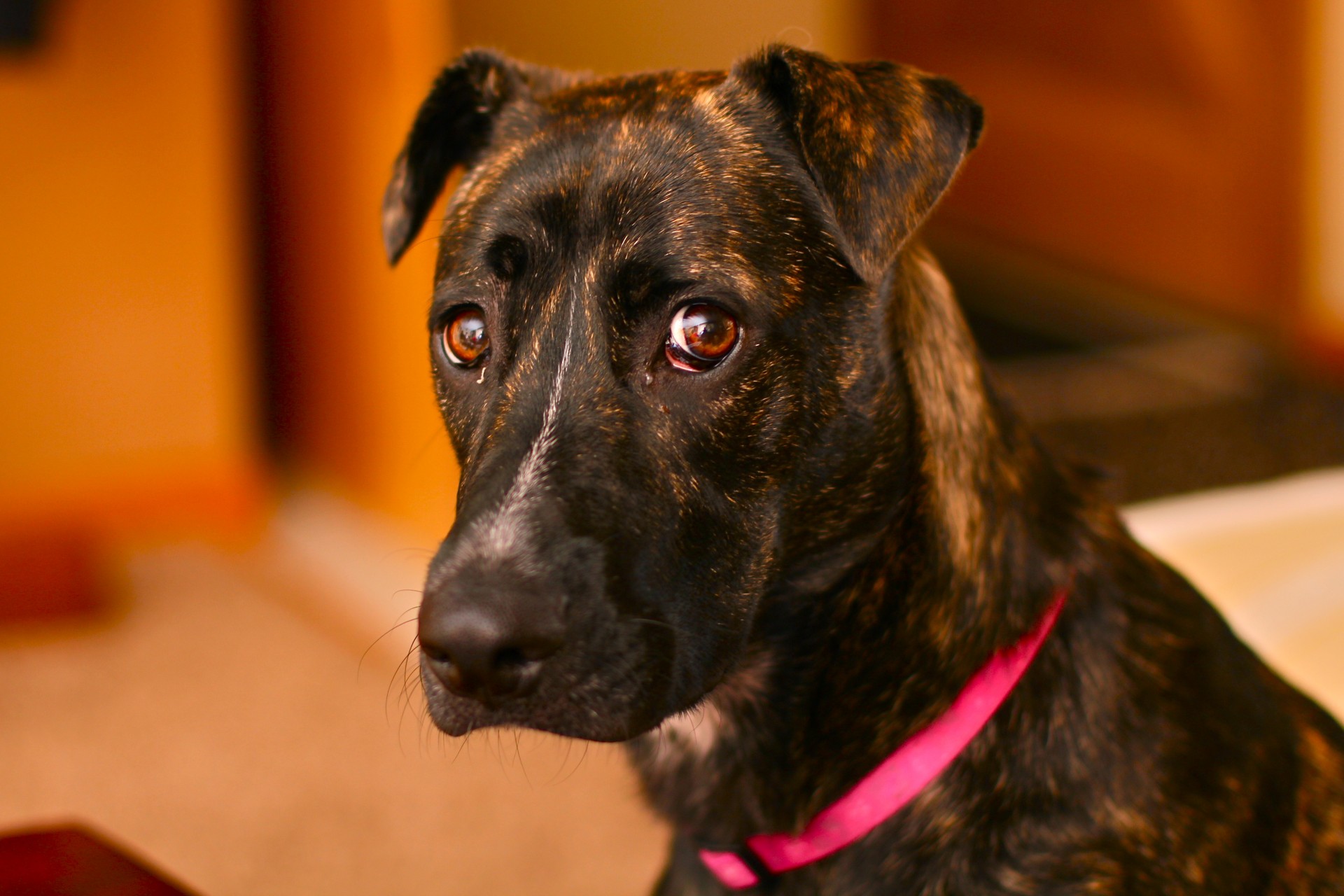
We all do our best to keep our pets safe. We lock the gate, feed them properly, and make sure they’re loved.
But many of the biggest dangers to dogs and cats are hiding in plain sight right inside our homes.
Here are ten common household risks that catch pet owners off guard, plus practical steps you can take to protect your four-legged family members.
1. Human medication (even “safe” ones)
Paracetamol, ibuprofen, antidepressants, blood pressure tablets, vitamins: these are extremely dangerous for pets, especially cats.
Even a dropped pill on the floor can be fatal.
What to do:
-
Store all medication in closed cupboards, not bedside tables or handbags
-
Never give human medication to pets unless a vet explicitly tells you to
2. Cleaning products and disinfectants
Floor cleaners, bleach, drain cleaner, oven spray, and toilet chemicals can burn paws, mouths, and internal organs.
Pets often walk through wet floors and then lick their paws.
What to do:
-
Keep pets out of rooms until floors are fully dry
-
Store chemicals in locked cupboards
-
Use pet-friendly cleaning products where possible
3. Food that seems harmless
Some of the most common toxic foods include:
-
Chocolate
-
Grapes and raisins
-
Onions and garlic
-
Xylitol (found in sugar-free gum and sweets)
-
Alcohol
-
Coffee and tea
What to do:
-
Don’t leave food on low tables or counters
-
Educate children not to share snacks with pets
-
Be extra careful during braais, parties, and holidays
4. Electrical cords and chargers
Puppies and kittens love to chew. Unfortunately, cords are an easy target.
Chewing through a live cable can cause severe burns or electric shock.
What to do:
-
Use cord protectors
-
Keep chargers out of reach
-
Unplug when not in use
5. Plants that are toxic to pets
Many popular house and garden plants are poisonous, including:
-
Lilies (especially dangerous for cats)
-
Aloe
-
Cycads
-
Tulips
-
Peace lilies
What to do:
-
Check plant safety before bringing new plants home
-
Move toxic plants out of reach or remove them entirely
6. Open windows, balconies, and stairs
Cats in particular can misjudge distances. Dogs can slip on tiles. Puppies tumble.
Falls from windows, balconies, and staircases are more common than people realise.
What to do:
-
Install window screens if you have cats
-
Use baby gates for stairs if needed
-
Never assume “they won’t jump”
7. Small objects on the floor
Coins, hair ties, socks, earphones, kids’ toys, bones—pets swallow strange things.
Foreign objects can cause intestinal blockages that require surgery.
What to do:
-
Keep floors clear
-
Teach children to pack away toys
-
Be careful with socks and underwear around puppies
8. Insecticides, rat poison, and ant traps
These are extremely dangerous and often smell or taste attractive to pets.
Secondary poisoning is also a risk if a pet eats a poisoned rodent.
What to do:
-
Use pet-safe pest control options
-
Place traps where pets cannot access them
-
Never leave poison pellets exposed
9. Essential oils and diffusers
Some essential oils can be toxic to pets, especially cats. Diffusers also release particles into the air that pets breathe in close to the ground.
What to do:
-
Avoid diffusing oils in rooms where pets spend time
-
Never apply essential oils directly to pets unless prescribed by a vet
10. Hot surfaces and hot cars
In South Africa, tiles, tar, and car interiors heat up fast.
Burnt paws and heatstroke are very real risks.
What to do:
-
Test surfaces with your hand before letting pets walk
-
Never leave a pet in a parked car—even for a minute
-
Provide shade and fresh water at all times
A simple rule of thumb
If it’s:
-
harmful to a child
-
strong-smelling
-
chewable
-
or easy to swallow
…it’s probably risky for a pet too.
Final thought
We can’t protect our pets from everything, but awareness goes a long way. A few small changes around the home can prevent serious emergencies and give you peace of mind. The next best thing to do, is get a quote from us for pet insurance by clicking here. That ensures you have the power to help them, should they need it.
Your pet trusts you with their safety. These little adjustments make a big difference.
Yours in Paws,
The PawPaw Team