
Hey Paw Fam!
Many well-meaning pet owners unknowingly allow habits that can slowly impact their pet’s health. These behaviours often feel harmless until they lead to illness, discomfort, or long-term problems.
The good news? Small changes can make a massive difference.
Here are some everyday habits worth paying attention to.
1. Too many treats “because they’re cute”
We get it. Those eyes are hard to resist.
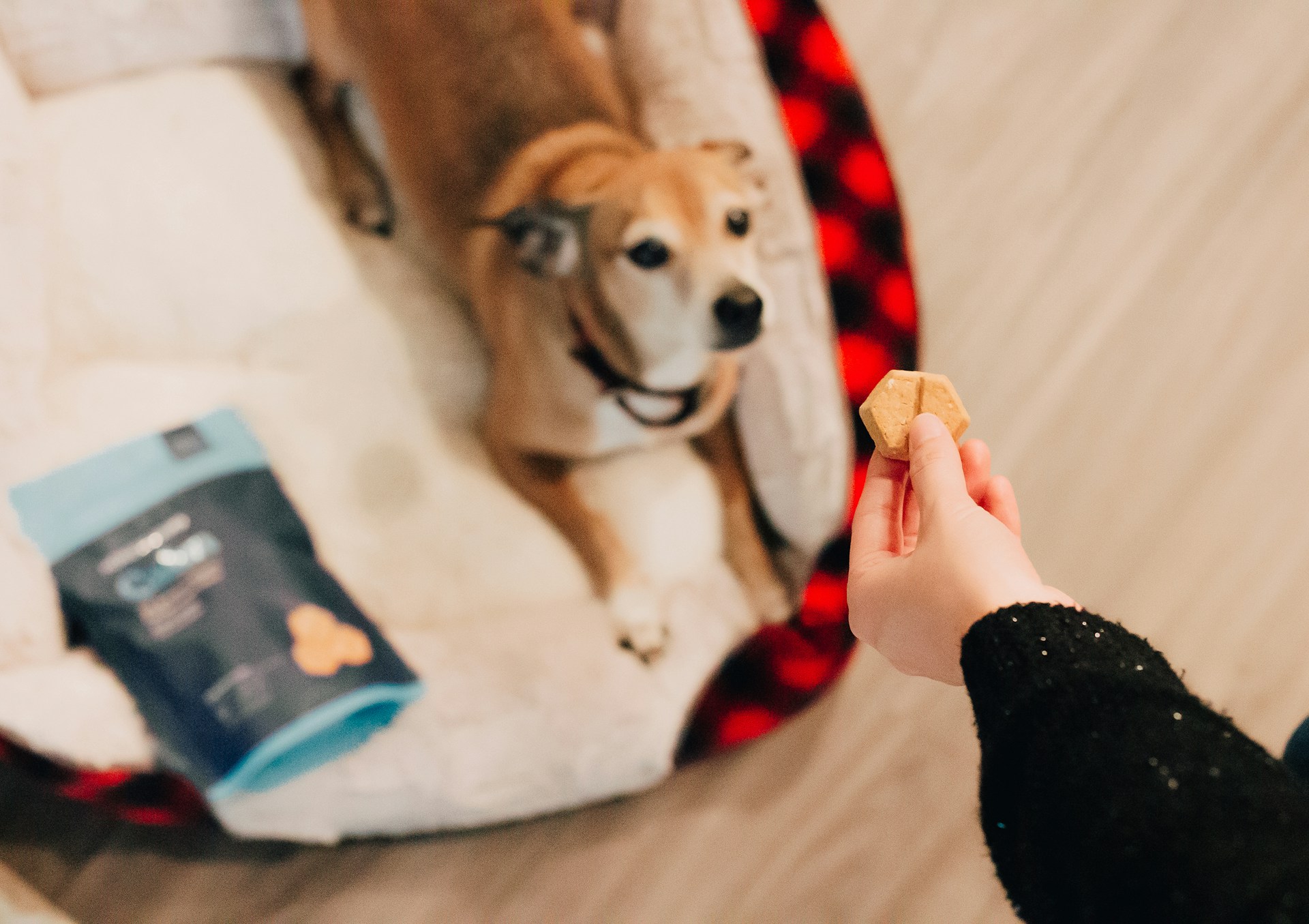
But extra treats throughout the day add up quickly — especially when pets are already eating complete meals.
Even a little bit of extra weight can:
- strain joints
- reduce energy
- increase health risks
- worsen arthritis later in life
Better approach:
Use treats intentionally:
- training rewards
- enrichment activities
- occasional spoils
And remember: affection doesn’t always need to be food.
2. Not enough mental stimulation
A bored pet is often a destructive pet.
Dogs and cats need mental exercise just as much as physical activity. Without it, they can become:
- anxious
- frustrated
- destructive
- withdrawn
Easy enrichment ideas:
- snuffle mats
- treat puzzles
- hide-and-seek games
- frozen lick mats
- rotating toys weekly
Even 10–15 minutes of engagement can help tremendously.
3. Skipping regular dental care
Dental disease is incredibly common in pets — and many owners only notice it once there’s bad breath or pain.
Poor dental health can affect:
- eating
- comfort
- energy levels
- overall health
Watch for:
- bad breath
- drooling
- yellow teeth
- bleeding gums
- chewing on one side
Helpful habits:
- dental chews
- pet-safe brushing
- regular vet checks
4. Feeding from the table
Some human foods are dangerous for pets, while others simply encourage unhealthy habits.
Table feeding can lead to:
- obesity
- digestive upset
- begging behaviour
- food aggression
Important:
Foods like onions, grapes, chocolate, xylitol, and cooked bones can be extremely harmful.
5. Too little water intake
Hydration matters more than many people realise — especially in South African summers.
Cats are particularly known for drinking too little water naturally.
Try this:
- multiple water bowls
- fresh water daily
- pet fountains
- adding wet food occasionally
6. Overlooking subtle signs of stress
Pets experience stress too.
Changes in routine, loud environments, visitors, new pets, or even owner stress can affect them emotionally.
Common stress signs:
- pacing
- hiding
- excessive grooming
- clinginess
- barking/meowing more than usual
7. Assuming “slowing down” is just ageing
Many owners assume:
“He’s just getting older.”
But slowing down can sometimes indicate:
- joint pain
- arthritis
- discomfort
- underlying illness
If your pet suddenly:
- struggles with stairs
- jumps less
- sleeps far more
- seems stiff
…it’s worth paying attention.
Final Thoughts
None of these habits make you a bad pet owner. In fact, most come from love.
The important thing is simply becoming more aware of the little things that shape our pets’ long-term health and happiness. Because small daily improvements often lead to big lifelong benefits.
Yours in Paws,
The PawPaw Team